If you shop for groceries frequently, you’ve probably noticed that things are more expensive than they used to be back in the day. But why?
Well, there are tons and tons of things that could be affecting grocery prices. This article will barely scratch the surface, and a lot is left to interpretation.
While it might not be significant, the amount of farms in the whole USA has been pretty unstable and slowly decreasing. This could be because new fields are opening up, so farmers stop wanting to be farmers and find a different career that works for them.
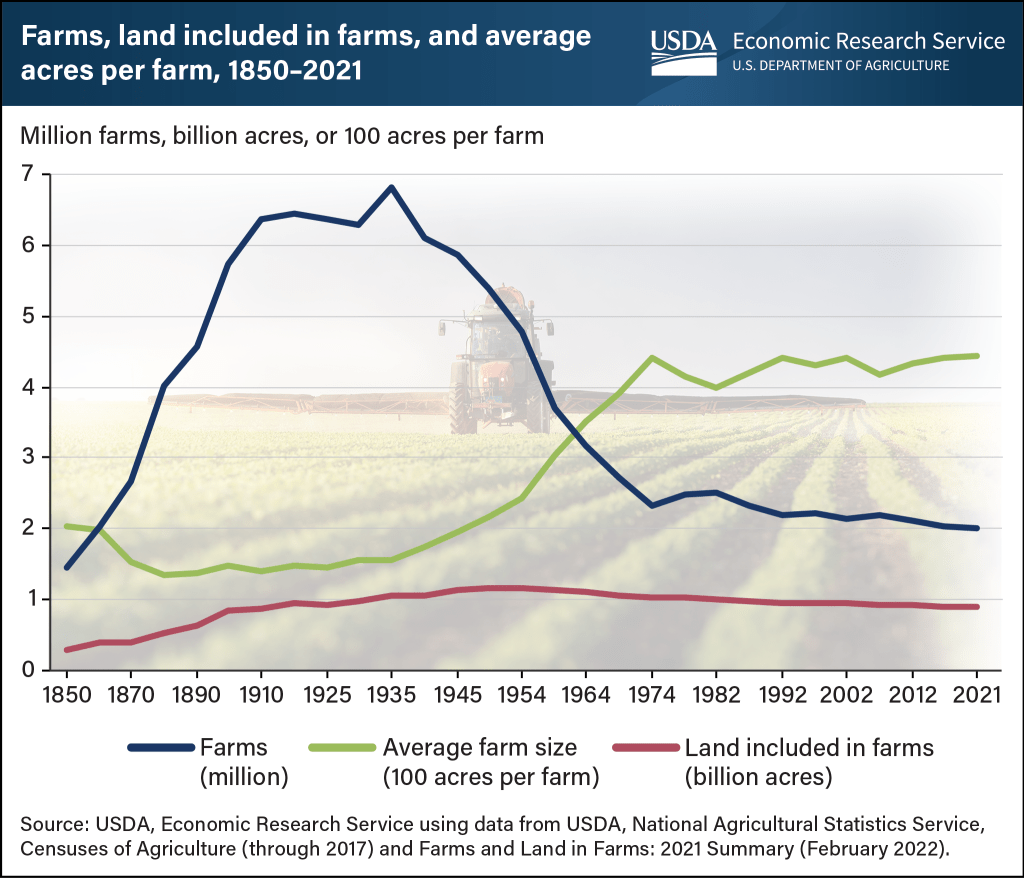
But maybe the solution isn’t just to have more farms constructed. Of course, part of it would absolutely be more benefits for farmers, but… what if we funded mini “at-home” farms?
The hard part is how to spend our money. We would need to find just the right amount of money to spend so that New England ultimately gains from the experience. We’d likely give poorer people more to start with than richer people.
If we could encourage people to grow crops and/or raise chickens in their backyard and give them small amounts of money to help them do it, that would mean more produce. They could then sell the produce to major chains, thus potentially decreasing grocery prices for the consumer since the stores purchasing them wouldn’t be buying them for as much since there is a larger supply.
Additionally, stores do need to charge a little more than what they got their supplies for, but it should not be abnormal. Maybe we could occasionally “audit” stores to see how much they are purchasing essential supply for (think food, medicine, fuel, etc) compared to how much they are selling it for, by requesting the data from them. By that, I mean we would be getting the average margins over time, or the percentage of the price of the average item compared to the cost they got it for (the higher the price compared to what they spent, the higher the percentage). There would be a reasonable upper limit on how high this percentage could be, based on historical averages and industry norms. Something similar could also be applied to (large) chains. The goal is not to just cap prices, but to prevent stores and large chains from selling essential supplies for abnormally high prices compared to what they got them for.
Of course, this is all just an idea. If all of this were to just work, perhaps we would see a day where grocery prices actually start to decrease. But this is only the beginning of what would need to be done.
 New England Nationalist Party
Leave a comment